Why The V.C. for Lunch Bunch Is a Memoir Readers Connect With
Not the Vietnam You’ve Seen Before
If your understanding of the Vietnam War comes mostly from films, documentaries, or history textbooks, The V.C. for Lunch Bunch will feel different immediately. This is not a story driven by nonstop combat or cinematic heroism. It is a story driven by daily life, and that choice is exactly what makes it powerful.
This memoir shows Vietnam as it was experienced by many soldiers: long days of work, nights of tension, moments of boredom, moments of fear, and the constant need to adapt. It doesn’t try to impress the reader. It tries to be accurate and that honesty pulls you in.
The Journey Matters as Much as the Destination
The book begins before Vietnam itself, with the journey across the Pacific. Mundell describes the long flights, unfamiliar stops, and the strange mental shift that happens when you realize you are leaving one life behind without knowing exactly what the next one will demand. This opening sets the tone for everything that follows.
Vietnam doesn’t arrive with drama. It arrives with heat, humidity, darkness, and confusion. That sense of disorientation becomes one of the book’s quiet themes war as something you slowly realize you are living inside.
Life at Cam Ranh Bay: The War Behind the Scenes
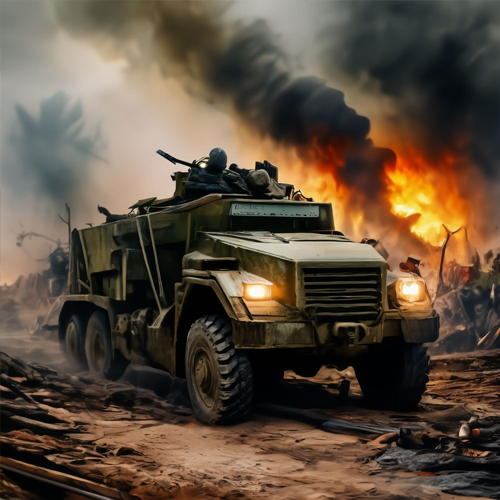
Much of the memoir takes place at Cam Ranh Bay, where Mundell is assigned to a transportation command. This setting gives readers a rarely explored perspective: the logistics side of war. Trucks, vehicles, ships, equipment readiness, paperwork, these are the tools that keep military operations functioning.
What the book makes clear is that this work carries its own pressure. Mistakes matter. Delays ripple outward. Even without direct combat, responsibility is constant. By focusing on this side of Vietnam, the memoir expands the reader’s understanding of how wars are actually sustained.
Hooches, Heat, and Adjustment
Living conditions are described plainly and memorably. Tin-roofed hooches, insects, limited privacy, unreliable water, and relentless heat are part of everyday life. Mundell does not dwell on discomfort for sympathy. Instead, he shows how soldiers adapt quickly because they have no choice.
This adjustment physical and mental is one of the most interesting elements of the book. Comfort becomes irrelevant. Routine becomes essential. Small improvements feel like victories. Over time, the reader sees how environment reshapes expectations and priorities.
Guard Duty and the Quiet Side of Fear
Some of the most gripping moments in The V.C. for Lunch Bunch come during guard duty, especially at night. These scenes are tense not because action occurs, but because it might. Darkness limits vision. Sounds become harder to interpret. Imagination fills in the gaps.
Mundell captures this quiet fear with restraint. There is no exaggeration just awareness, isolation, and the discipline required to stay alert for hours. These moments reveal a psychological side of war that often goes unrecognized.
Humor as Survival, Not Entertainment
Throughout the memoir, humor appears naturally. It is dry, situational, and often understated. Mundell uses it not to make light of Vietnam, but to reflect how soldiers cope with stress, absurdity, and bureaucracy.
This balance serious without being heavy, funny without being disrespectful that makes the book easy to stay with. It feels like listening to someone tell the truth, not perform a story.
Reflection Without Easy Answers
As the memoir moves toward its later chapters, Mundell becomes more reflective, but never preachy. He does not try to solve the Vietnam War or assign simple meaning to his experience. Instead, he shows how the year in Vietnam became a reference point something that shaped perspective long after the uniform came off.
There is no dramatic conclusion, and that feels right. Vietnam does not end neatly. It fades into memory, carrying lessons that surface quietly over time.
Why This Book Is Worth Reading
The V.C. for Lunch Bunch is worth reading because it fills the space between history and myth. It explains Vietnam not through arguments, but through lived experience. It respects the reader enough to avoid exaggeration and trusts that the truth is compelling on its own.
If you want to understand what Vietnam felt like for the people who lived it day by day, task by task this book delivers something rare: clarity without spectacle.
And that’s exactly why it stays with you.